What Are Traditional Braces?
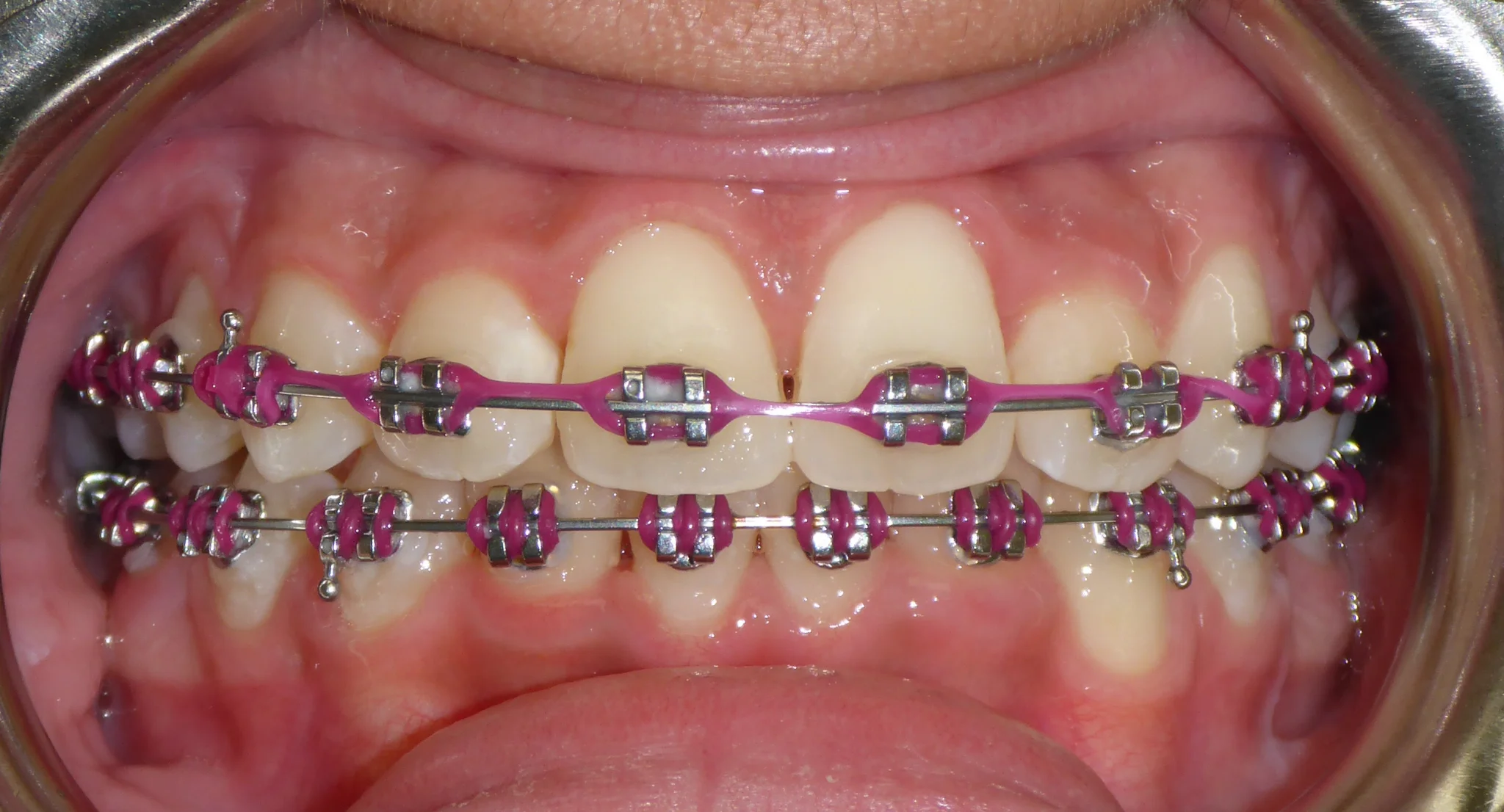
Traditional braces are one of the most common ways of aligning your teeth. They consist of brackets, wires, and o-ties (the colored rubber bands). You will be coming in about every five weeks for adjustments.
At these adjustments we will be changing your o-ties (your colors) and checking the alignment of your teeth. When checking your alignment we may change your wires or complete other procedures for optimal alignment.
Most Effective
Best for complex alignment cases
Customizable Colors
Choose new colors at each visit
Predictable Results
Time-tested treatment method
What Braces Can Fix
Braces remain the most versatile tool in orthodontics — the workhorse for everything from mild crowding to complex bite correction:
- Crowding and overlapping teeth
- Gaps and uneven spacing
- Overbite and deep bite
- Underbite
- Crossbite
- Open bite
For younger kids in Phase 1 treatment, we sometimes use partial braces — brackets on just the teeth that need guiding, often the four upper front teeth — to correct protrusion or rotations long before full treatment. Wondering whether your child's timing is right? See Early & Two-Phase Treatment.
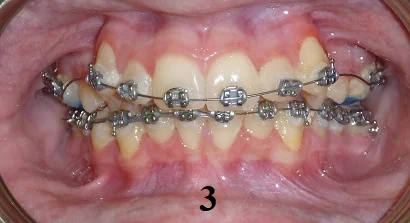
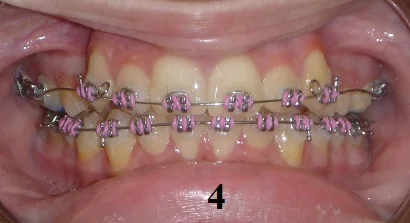
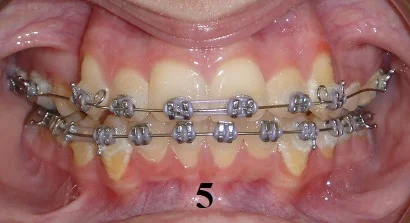
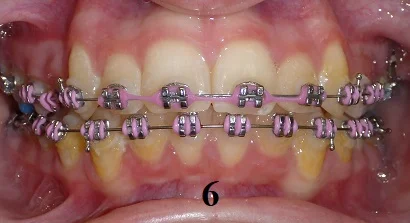
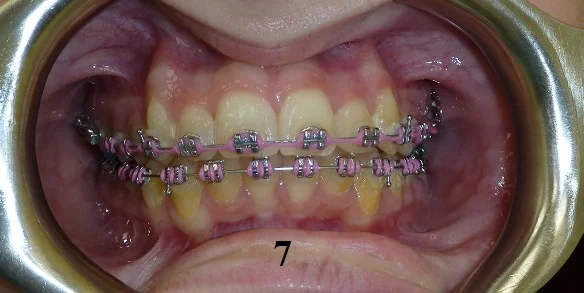
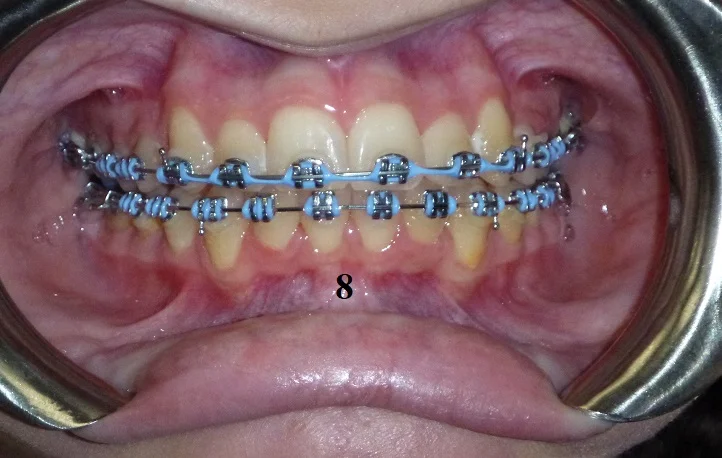
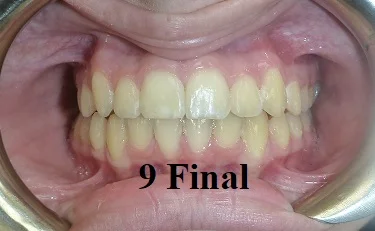
See the Journey
Watch how braces transform smiles over time
Taking Care of Your Braces
Follow these guidelines to ensure the best results from your treatment
🚫 Foods to Avoid
To prevent damage to your braces, please avoid the following foods:
Hard Foods
- Ice
- Hard candy
- Nuts
- Popcorn
- Hard pretzels
- Raw carrots (cut into small pieces)
Sticky Foods
- Caramel
- Taffy
- Gummy bears
- Starburst
- Now and Laters
- Laffy Taffy
Chewy Foods
- Bagels (tear into pieces)
- Hard rolls
- Pizza crust
- Beef jerky
Other
- Corn on the cob (cut off)
- Apples (cut into pieces)
- Biting into sandwiches/burgers
- Chewing on pens/pencils
🦷 About Your Braces
Congratulations on getting your braces! Here's what to expect:
- The bonding process: We bond the brackets on with Orthodontic Composite and place a wire. The entire procedure is painless.
- Initial soreness: You may not feel any pain for the first hour or two, but after you may feel soreness. We recommend eating softer foods and drinking ice-cold seltzer water to relieve any possible pain. This soreness should only last 2-3 days.
- Cheek irritation: There may be a chance that a bracket or wire causes irritation to your cheek. Use orthodontic wax or sugar-free gum on the bracket causing the irritation.
- Appointments: You will be coming in every 5 weeks to change your o-tie colors and get an adjustment done.
- Bracket position: There may be 1-2 visits within treatment where you'll come in for a longer appointment to adjust bracket positions for better alignment.
- Broken brackets: If you think you have a broken bracket or wire, give us a call to repair any issues.
🪥 Oral Hygiene
Keeping your teeth clean should be your number one priority with braces! Continue seeing your general dentist every 6 months.
- Brush at a 45-degree angle - Use small circular motions all across your teeth evenly with a soft bristle brush
- Brush twice daily - Clean above and below each bracket, then brush the bracket itself
- Use a proxy brush - These small brushes help clean between brackets and under wires
- Floss daily - If you have trouble flossing, we recommend investing in a Waterpik
- No "fuzzy" areas - You should see no fuzzy areas which may be plaque build-up on the teeth
- Rinse with mouthwash - An antibacterial mouthwash helps reduce plaque and bacteria
⚠️ Warning: If poor oral hygiene is not taken care of throughout treatment, you may be left with 'white spots' after we remove the braces. If hygiene becomes too severe, we may have to remove the appliances altogether.
🔗 Elastics (Rubber Bands)
Elastics may be given to you during your treatment. They are most commonly used when we need to align your bite.
When Elastics Are Used:
- Overjet: Upper teeth are too far forward
- Overbite: Upper teeth cover too much of the lower teeth
- Reverse overjet (Underbite): Lower teeth are in front of upper teeth
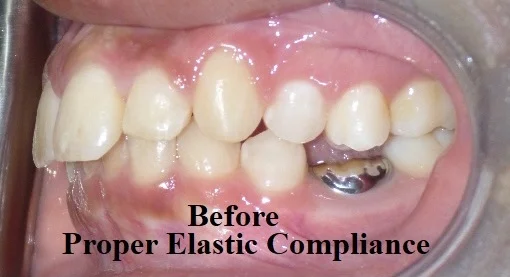
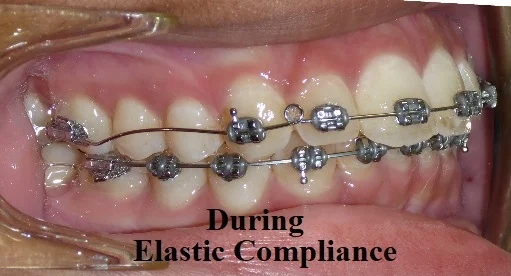
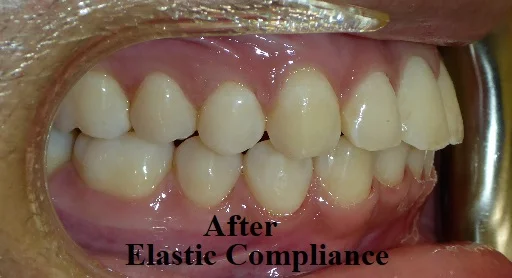
Elastic Compliance is Critical:
- Wear 22-23 hours per day - Unless otherwise told by the doctor
- Only remove for brushing - You may try to eat with them on, but can remove if needed
- 12 hours is NOT enough - Wearing elastics for only 12 hours gives your teeth time to reverse back to original position
- Non-compliance extends treatment - Not wearing elastics as directed can prolong treatment by up to 1 year!
- Need more? - Stop by the office anytime to pick up a new bag of elastics
See the Difference Elastic Compliance Makes:
😣 Discomfort During Treatment
During treatment, a patient can experience some discomfort. This may be due to a wire that is too long or a broken bracket.
- Call us - If you're experiencing any discomfort, give us a call. We'll schedule a comfort visit ASAP.
- While waiting - Use orthodontic wax or sugar-free gum on the bracket or wire causing irritation.
- Poking wire? - Use the eraser end of a pencil to push it down, or cover with wax until you can come in.
⚠️ Important: Although bracket breakage can occur, excessive breakage can lead to discontinuation of treatment. The first two months after you get braces, it’s normal to have a few breakages as you adjust—we treat this as a grace period. If brackets pop off within the first week, it may indicate a bonding failure caused by strong fluoride in the enamel; in those cases we’ll re-etch longer and re-bond the bracket.
🆘 Emergency Care
If you experience any of the following, please call our office:
- Broken or loose bracket
- Poking wire that you cannot fix with wax
- Severe pain that doesn't improve with over-the-counter medication
- Lost or broken rubber bands/elastics
- Swelling or infection around braces
📞 Glendale: (718) 386-8728
📞 Garden City: (516) 265-1535
❓ Braces FAQ
Does it hurt getting braces on?
At the bonding appointment, the doctor will place brackets on the teeth using composite. Cheek retractors are used for moisture control, but the entire procedure is painless. The wires are then engaged to the brackets by the o-tie colors. You may begin to experience soreness a few hours after bonding and will need to eat soft foods for several days. Eating immediately after the bonding is allowed.
What am I not allowed to eat?
To prevent breaking any brackets, you must avoid eating hard foods. Very sticky foods like taffy can also cause the o-ties or wires to move. See the "Foods to Avoid" section above for a complete list.
How often are braces adjustments?
We typically schedule adjustment appointments every 4-5 weeks, depending on what the doctor feels is needed. We have patients come in sooner for emergency visits if anything is bothering them.
Do I still need to see my general dentist?
Yes! While we provide orthodontic treatment, we ask that you continue to see your general dentist every 6 months for checkups and cleanings.
Braces Before & After
See the amazing transformations achieved with traditional braces
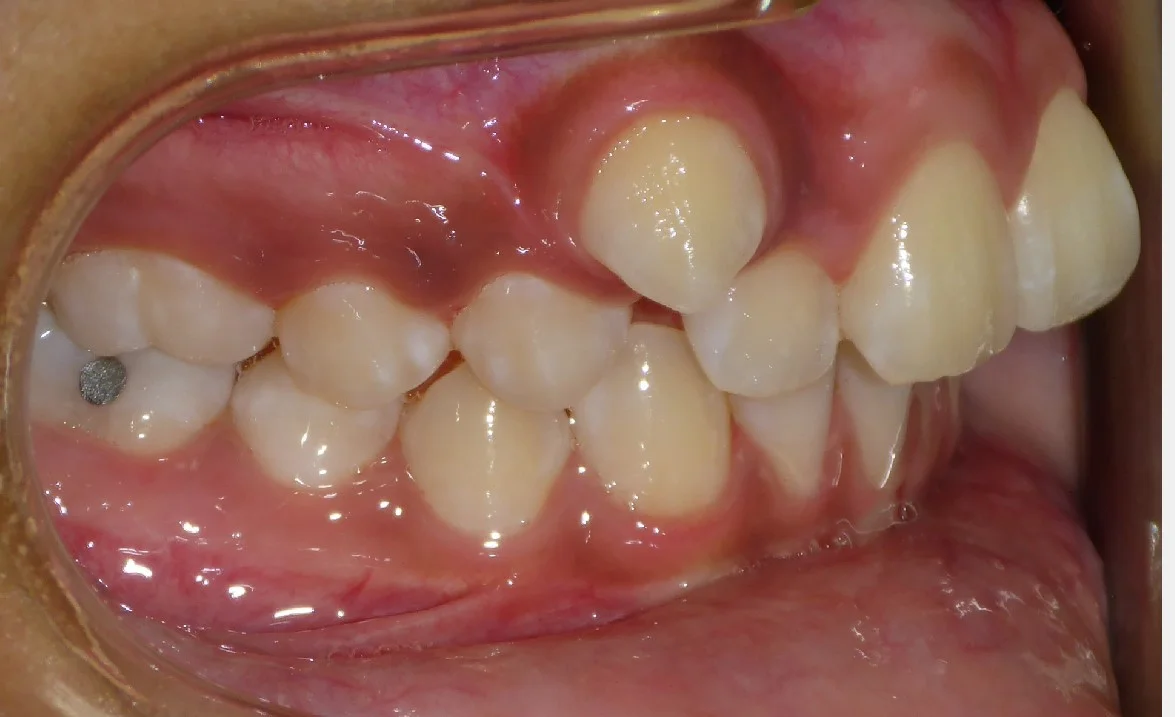 Before
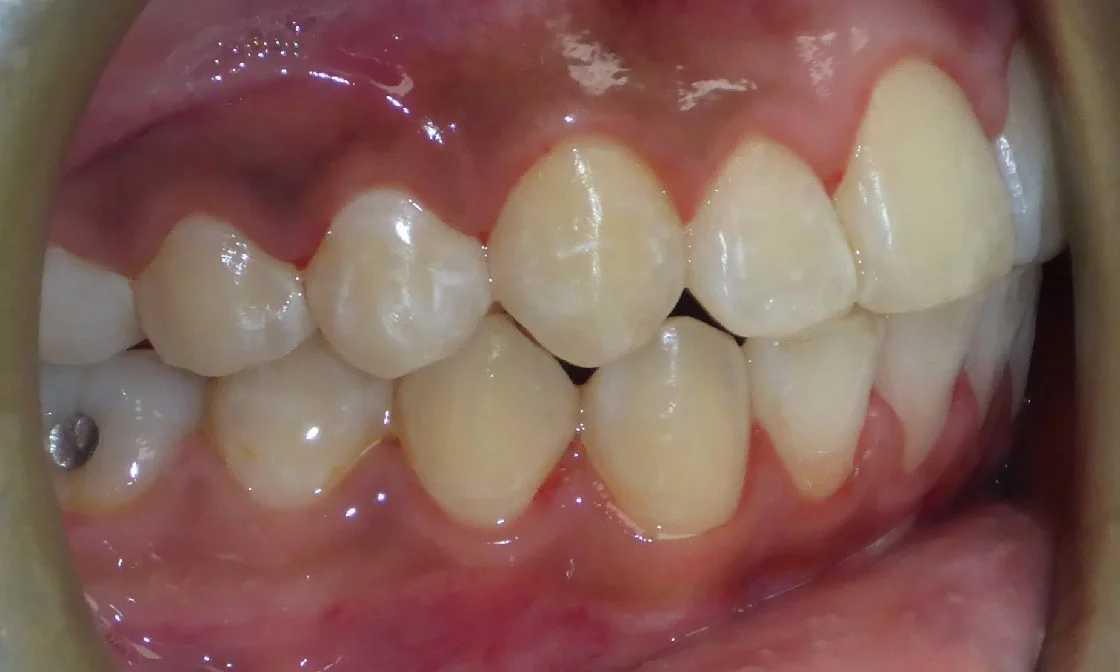 After
After
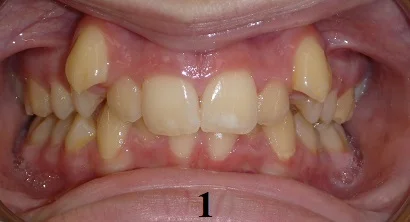
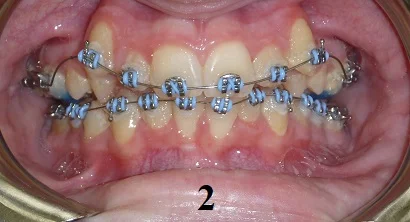
Crowding Correction
30 months treatment
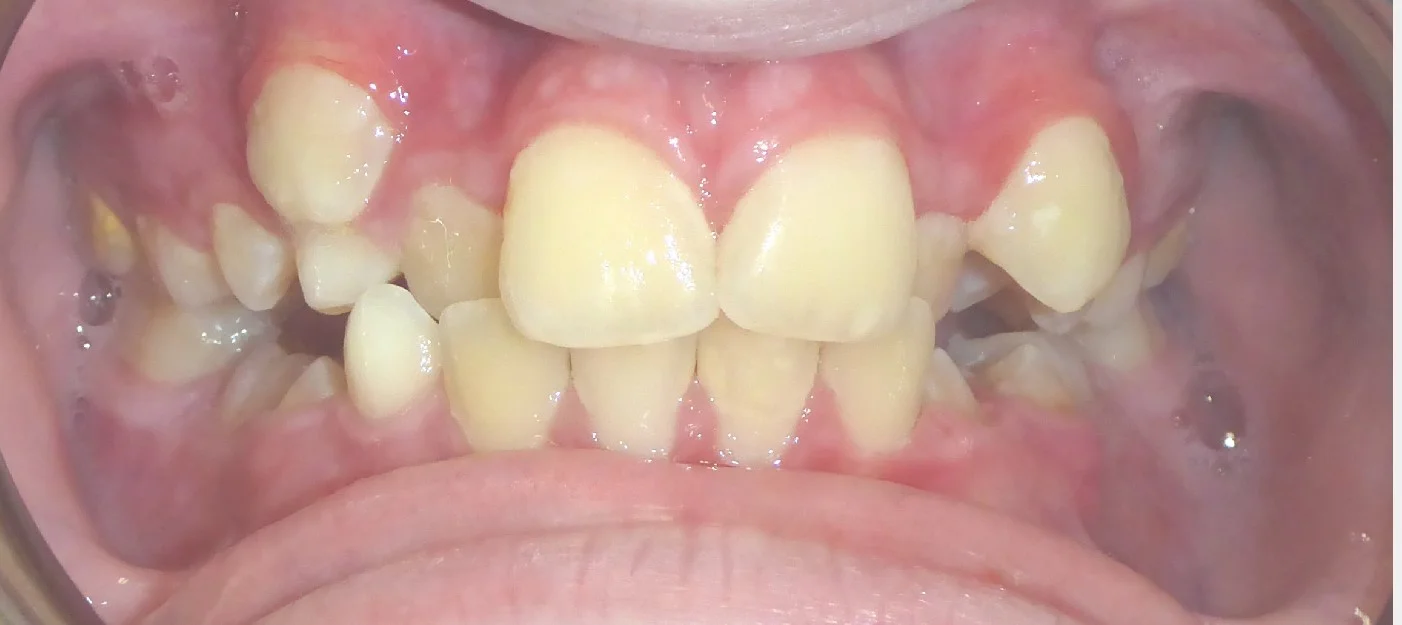 Before
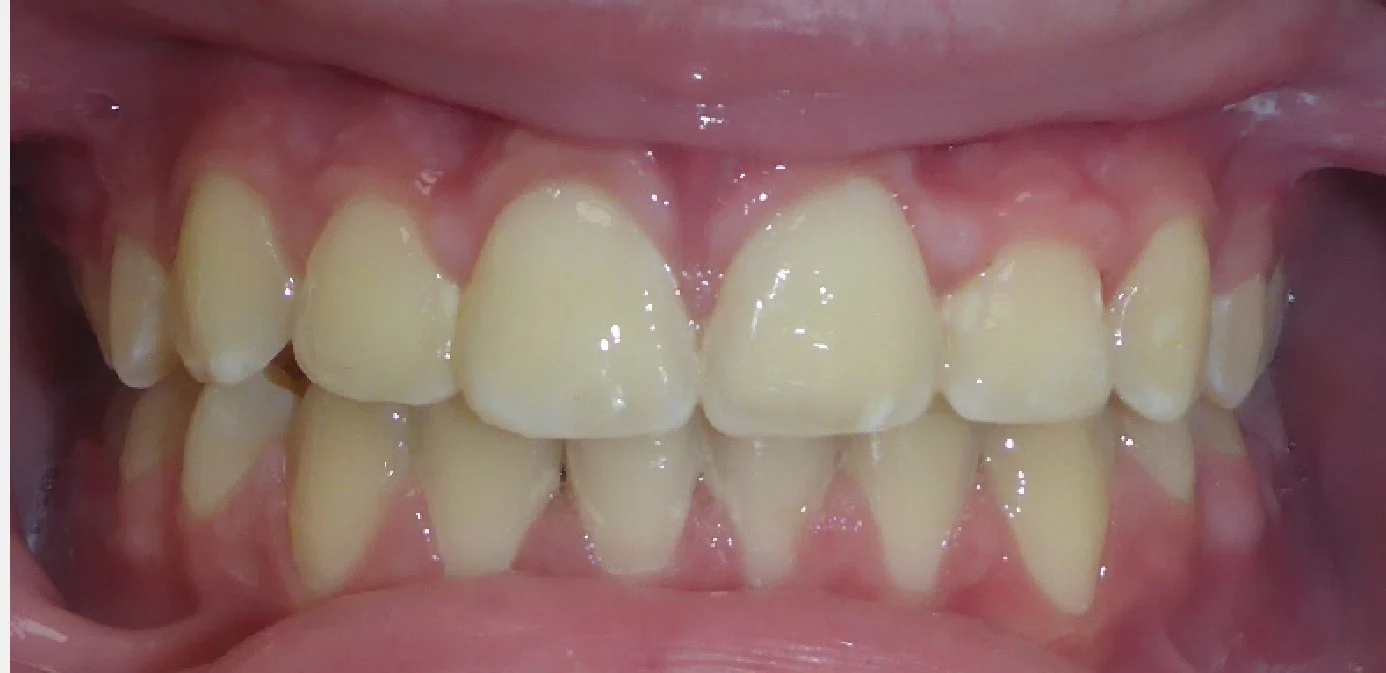 After
After
Overbite Correction
30 months treatment
Ready to Start Your Smile Transformation?
Schedule a free consultation to learn if braces are right for you.